
What a Storage Unit Auction Actually Is
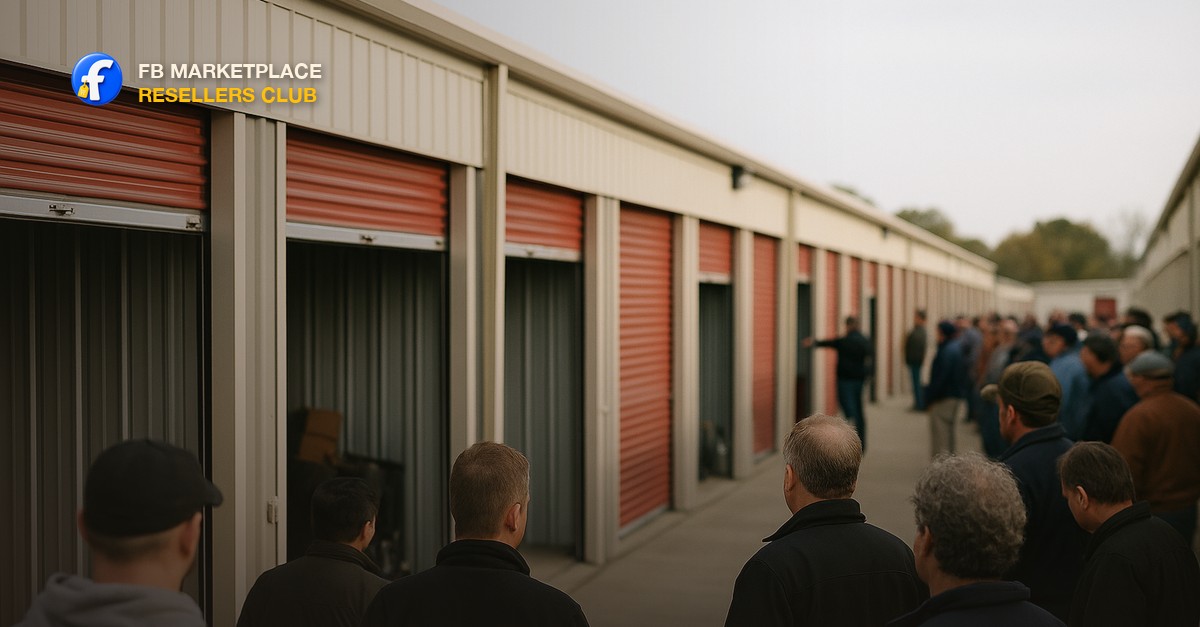
When a renter stops paying, the facility is legally required to give notice, then it can auction off the contents to recover the unpaid rent. Most facilities run these through online platforms like StorageTreasures or Lockerfox now, though some still run them in person on-site. Either way, the format is the same: you get a short look from the doorway, then you bid blind on everything inside.
That doorway-only rule is the single most important fact to understand before your first auction. You cannot open boxes, move furniture to see what is behind it, or check whether electronics power on. You are bidding on what you can see standing at the threshold, plus a guess about everything you cannot.
Why Most Units Are Not the Jackpot You Expect
Reality TV built an entire genre out of the rare unit stuffed with vintage guitars or a coin collection. Those units exist, but they are the exception, not the baseline you should bid around. The typical unit is mostly furniture, boxed household goods, clothing, and a mix of items with real resale value alongside items headed straight to a donation bin or the dump.
The other reality check: storage auctions in most mid-size and larger cities are competitive now. Regular bidders who do this weekly know local pricing and will not overpay, which means the truly cheap wins are rarer than a few years ago when fewer people knew these auctions existed.
How to Evaluate a Unit Before You Bid
You get roughly a minute or two at the doorway with a flashlight. Use it on the highest-value visible items, not on trying to catalog everything.
- Scan for furniture brands and materials you recognize as sellable - solid wood over particleboard, name-brand appliances over generic.
- Look for sealed, labeled moving boxes versus loose junk piles. Labeled boxes from a recent, planned move often mean organized former owners, which correlates with better-kept items.
- Check for obvious water damage, mold smell, or pest signs. Any of these can make the entire unit unsellable and should sharply cut your max bid.
- Note the unit size relative to what is visible. A 10x10 unit that looks half-empty from the door is a red flag - either it is mostly junk in back or someone already picked through it.
Setting a Max Bid That Actually Protects You
Before the bidding starts, price out only the items you can clearly see and confirm are sellable. Use Facebook Marketplace sold listings for comps, the same way you would price a single item. Add those numbers up, then apply a steep discount, somewhere around 25 to 40 percent of that total, to account for the hauling, cleaning, sorting, and dump-fee costs that come with everything you cannot resell.
That discounted number is your hard max bid. Write it down before the auction starts and do not move it once bidding gets competitive. Auction adrenaline is real, and it is the reason people who do this once or twice tend to overpay on their first unit.
Rough per-unit budget example
| Line item | Estimate |
|---|---|
| Visible sellable items (comp total) | $600 |
| Discount for unknowns, junk, damage (30%) | -$180 |
| Hauling truck rental or gas | -$60 |
| Dump fees for unsellable items | -$40 |
| Your max bid | $320 |
After You Win: The Part Nobody Shows on TV
Winning bidders usually have a tight window, often 24 to 48 hours, to fully clear the unit or forfeit both the payment and the contents. Show up with a truck or trailer, gloves, boxes, and a dolly before you bid, not after you win. Facilities do not provide equipment.
Sort on-site into three piles as you empty the unit: sell, donate, dump. Do not haul everything home first and sort later. That turns your garage into a second storage unit and delays the point where you actually get items listed and sold. Join the FB Marketplace Resellers Club at fbresellersclub.com for $9/month for the sourcing and pricing systems active resellers use across every channel, not just storage units.
Short, practical drops on sourcing, pricing with comps, listing copy, and safe meetups. No spam, unsubscribe anytime.
Frequently asked questions
Is storage unit auction reselling actually profitable?
It can be, but the margin is thinner than TV makes it look, especially in competitive markets where experienced bidders keep prices close to fair value. Treat it as one sourcing channel among several, not a primary strategy, unless you have done enough units to know your local market's real pricing.
Can I look inside boxes before bidding on a storage unit?
No. You get a short look from the unit's doorway only, with a flashlight if the facility allows it. Opening boxes, moving items, or entering the unit before you win is not permitted at almost every auction.
What happens if I win a unit and find mostly junk?
You still have to clear the entire unit within the facility's deadline or forfeit your payment. Budget dump and donation costs into your max bid up front so a junk-heavy unit does not turn into a net loss.
Are online storage auctions or in-person ones better for beginners?
In-person auctions let you see the unit and other bidders in real time, which helps you learn pricing patterns faster. Online platforms like StorageTreasures offer more volume and convenience but make it easier to get caught up bidding without the same in-person read on competition.
How do I find storage unit auctions near me?
StorageTreasures and Lockerfox list auctions from participating facilities nationwide and let you filter by location. Some smaller independent facilities still post their own auction notices directly, so it is also worth checking with local storage companies.
Last reviewed by Nicole on August 10, 2026